Hair Loss Causes
What GLP-1s, Diet and Hormones Really Do to Your Hair
Finding extra hair on your pillow, in your brush or around the plughole isn't just in your head. There are a few common hair loss causes, and figuring out which one fits your situation is important to help as you’re probably feeling quite anxious about it.
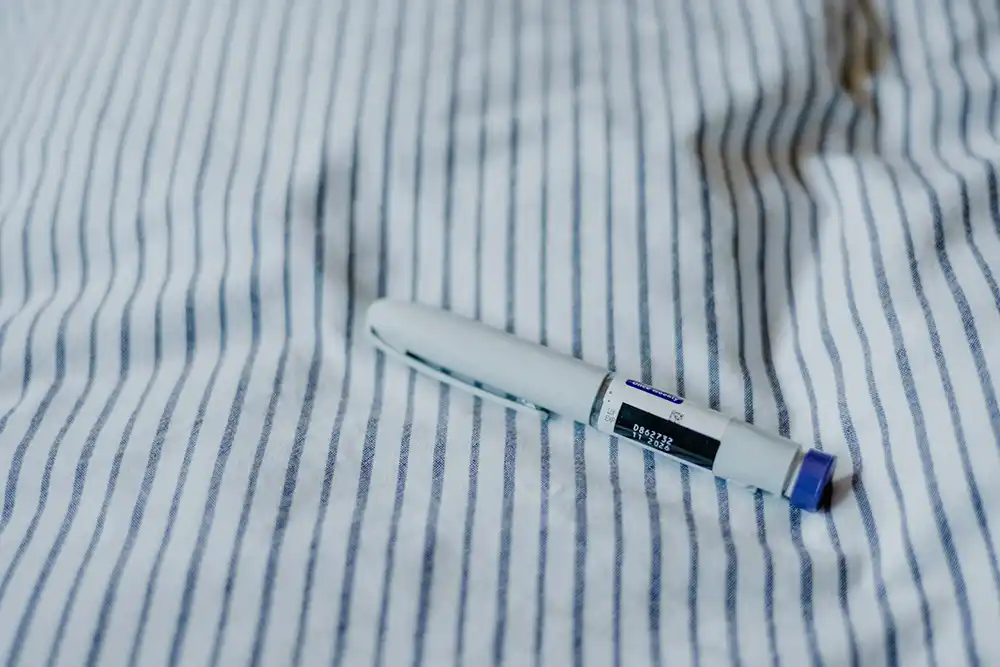
One cause is coming up again and again in the salon chair right now. Clients using GLP-1 weight loss medications such as Ozempic, Wegovy and Mounjaro keep asking us “why is my hair falling out all of a sudden?”
The Main Hair Loss Causes
There's rarely just one explanation for hair loss. The usual culprits are:
- Changing hormones
- Stress
- Certain medications
- What you're eating, or not eating
Hormonal shifts tend to be behind it if you're navigating menopause or you've just had a baby, both of which we cover properly in our guides to menopause and hair thinning and pregnancy hair dos and don'ts.
Right now though, one of the quickest growing hair loss causes has nothing to do with hormones. It sits under the diet umbrella, tied to weight loss, and specifically to GLP-1 medications.
Why Is My Hair Falling Out?
If you've lost weight quickly and you're wondering “why is my hair falling out?”, that's very likely your answer. Eating a lot less than before, whether that's appetite suppression from a GLP-1 or any strict diet, forces your body to ration its energy and nutrients.
Your body prioritises the vital organs to keep you functioning, and hair, however much you care about it, simply isn't essential to staying alive. So when supplies run low, hair is one of the first things to be cut from the list.
Hair Loss With Weight Loss
Hair loss with weight loss is becoming a genuinely common pattern, and it has a clinical name, telogen effluvium. Not every form of hair loss works the same way though. Some types damage the follicle itself, the small structure beneath your scalp responsible for growing hair, and that's what can make regrowth so much harder, sometimes impossible.
Telogen effluvium leaves the follicle completely untouched. What it does instead is knock hair out of its growth phase early and into a resting one. Eventually that hair sheds, but the follicle underneath is still very much alive, ready to start growing again once conditions allow.
Dermatologists reach for this explanation more than any other when clients describe this kind of shedding, and it's worth knowing because the prognosis is a good one. This type of hair loss with weight loss isn't usually permanent. It's simply your body hitting pause on hair growth while it manages a temporary nutrient shortage, and for most people, no lasting harm is done.
What The Research Says About GLP-1 Hair Loss
GLP-1 hair loss is probably the question we hear most often in the salon these days. Ultimately, less food eaten means fewer nutrients reaching the hair, more shedding a few months down the line. Love Hair founder Toni has spoken about this on Instagram, unpacking why the body treats hair as dispensable next to organs it actually needs to survive.
The current research from the American Academy of Dermatology points out that people on GLP-1s can experience thinning through a mix of physical stress, nutritional gaps and possibly a direct effect from the medication, though they're clear that more evidence is needed to pin down the exact cause. A 2026 systematic review found hair loss cropping up more frequently among GLP-1 users than those given a placebo, and that the risk increases alongside faster or more dramatic weight loss. How common GLP-1 hair loss actually is differs quite a bit study to study, so any statistic you come across, including the ones here, should be read as a current snapshot rather than a settled fact.
The Science Bit, From Karlien Duvenage, Dietitian
We wanted to back up what we're seeing in the salon with the science behind it, so we asked registered dietitian Karlien Duvenage to weigh in. Her answers get a bit more clinical than the rest of this article, but that's the point: this is the detail for anyone who wants to properly understand what's happening inside the body, not just reassurance.

Why does hair loss happen when someone isn't getting sufficient nutrients?
Hair is metabolically expensive to produce and isn't essential for survival, so your body deprioritises it when you don’t have enough energy (calories) to support daily functions after accounting for the energy you burn during exercise. This is often referred to as low energy availability, as it depends on your unique energy needs.
That's why excessive hair loss is one of the signs a clinician looks for when assessing for under-nutrition. What makes it tricky is that it usually shows up 2 to 3 months after changes in intake, so the connection is easy to miss.
What nutrients does hair need most for healthy growth?
The main nutritional driver of hair loss is a reduced total intake, but more specifically, protein. Hair is essentially keratin, a protein. Inadequate energy and protein intake is a well-documented cause of hair loss. Other important nutrients are iron, zinc, calcium, magnesium, potassium, choline, vitamins A, D, E, K, C, and the B-vitamins (particularly B12 and biotin) all matter too. Therefore, on a GLP-1, it's rarely one missing nutrient. It's usually several gaps opening up at once as overall food intake falls.
That's because these medications change a lot about how someone eats. Delayed gastric emptying and appetite suppression are part of how they work, and common side effects such as nausea, vomiting, diarrhoea, constipation, early satiety, and reduced thirst can further chip away at intake. Research shows that energy intake commonly drops by up to ~40%, or around 850 kcal compared with placebo. Some people end up eating less than 800 kcal a day, particularly early in treatment or when GI side effects are pronounced. Food variety narrows too, often with less fruit, vegetables, whole grains and dairy. These are the very foods that supply many of the nutrients mentioned above. Even people who think they're eating more healthily have been found to fall short of important nutrients when assessed professionally.
In addition, many people are already deficient in certain nutrients, such as vitamin D, iron, B12, or zinc, before treatment even begins. So the foundation you start from is often weak, and the gaps become more pronounced. Without guidance, intake can fall quickly enough to cause real problems, including loss of muscle mass and bone density.
Does it matter how fast someone's diet changes, or is it more about how long it goes on for?
It’s both. These medications cause a much sharper drop than most diets, and it happens before someone has time to learn to adjust what they're eating to compensate. The longer that gap continues without support, the more it compounds. Nutrient stores that were fine for a few weeks on lower intake become depleted over months. Which is exactly why early nutritional support matters more than waiting to see how things settle.
What would you tell someone worried about hair loss?
The good news is hair loss itself is reversible. The follicle isn't damaged, just paused, and it starts growing again once intake catches up. That's why I recommend seeing a dietitian before starting one of these medications, not just once a problem appears. Dietitians are well placed to help you meet your protein, iron, and overall nutrient needs while managing a lower appetite or any side effects. If you're already experiencing hair loss, talk to a dietitian to identify what's driving it and get things back on track. Because while hair loss is reversible, many of the other consequences of under-nutrition, like reduced bone density, are not.
Karlien’s References: Almandoz JP, Wadden TA, Tewksbury C et al. Nutritional considerations with anti-obesity medications. Obesity 2024;32:1613-31.
Al-Najim W, Raposo A, BinMowyna MN et al. Unintended consequences of obesity pharmacotherapy: a nutritional approach to ensuring better patient outcomes. Nutrients 2025;17:1934.
Mozaffarian D, Agarwal M, Aggarwal M et al. Nutritional priorities to support GLP-1 therapy for obesity: a joint advisory from the American College of Lifestyle Medicine, the American Society for Nutrition, the Obesity Medicine Association, and the Obesity Society. Obesity 2025;33:1475-503.
Will My Hair Grow Back?
In most cases, yes. Telogen effluvium doesn't last forever. As soon as your body has the nutrients it needs again, whether that's from your intake settling down or an improved diet, the natural hair cycle picks back up. It isn't instant though. Shedding typically calms down somewhere between three and six months in, and full regrowth can take a similar stretch of time again, sometimes more. Every case is different, so give it time rather than expecting an overnight fix.
Managing Hair Loss With Weight Loss
Worried about your hair while on a GLP-1? Start with your doctor rather than making any changes yourself. After that, diet is usually what makes the biggest difference to hair loss with weight loss.
Taking weight off more gradually, and keeping protein, fibre and a varied mix of whole foods on your plate, appears to lower the odds of noticeable shedding altogether. The clients we see with the worst GLP-1 hair loss are typically the ones who started from a poor diet, or who cut nutritional corners to speed up their results.
This is where we come in on the hair side. A nutrient gap isn't something a salon visit can fix, but we can assess your scalp and hair condition, suggest gentler handling for hair that's more prone to breakage right now, and stop further damage piling on top of what's already happening. Reach for products that support the hair you've got rather than ones promising overnight miracles.
Book a free consultation here to talk through your next steps.
The Takeaway on Hair Loss Causes
Hair loss causes are rarely simple, but if yours has appeared alongside starting a GLP-1 or changing how you eat, it's likely your body adjusting rather than anything more serious. GLP-1 hair loss and hair loss with weight loss both tend to resolve themselves for most people rather than sticking around for good. Still asking yourself “why is my hair falling out?” book a consultation with us and we'll help you get to the bottom of it.